










Title
Caption
When is your Marine Aquarium fully run-in?
After starting up your marine aquarium with live (or dead) rock and starting the nitrogen cycle, the inevitable question arises: when will my aquarium be ready for its first inhabitants?
An aquarium is only properly run-in when the biological filter is functioning stably and waste products are being efficiently converted. Below, we explain how to recognize this and what to look for.
1. Check water values
The most important way to determine if your tank is broken in is by testing the water parameters. This primarily involves measuring:
- Ammonia (NH₃): should be at 0 ppm
- Nitrite (NO₂): should be at 0 ppm
- Nitrate (NO₃): must be demonstrably present (usually between 5–30 ppm)
If you first see a peak in ammonia, followed by a peak in nitrite, and then a rise in nitrate, then the nitrogen cycle has been completed successfully.
2. Stability over several days
A one-time measurement isn't enough. Test over several days. As long as ammonia and nitrite remain at 0 and nitrate remains slightly present, you can assume the system is stable.
3. Visual signs of maturation
Besides testing, you can also observe visual signals:
- Light deposits of brown algae (diatoms) on the sand or stone
- Possible incipient algae growth (such as green deposits)
- Emergence of micro-life on living rock (e.g. copepods or sponges)
This stage is part of healthy maturation and is no reason to panic.
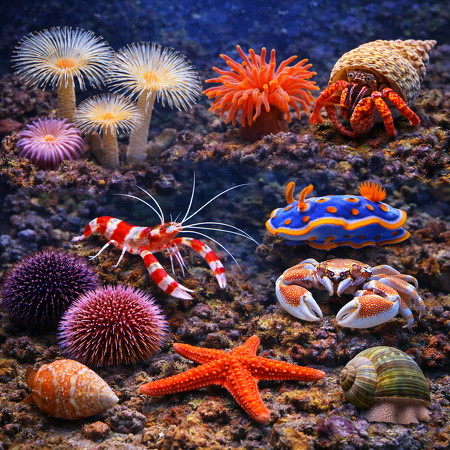
4. First residents: start the clean-up crew
Once your water parameters are stable, the aquarium is ready for the first life forms. Start cautiously:
- Cleaning animals such as hermit crabs , snails or shrimps
- Preferably no fish or sensitive corals yet
Observe carefully whether the values remain stable after adding the first animals.
Be careful when starting up with dead stone
If you only used dead stone, the maturation process may take longer. You will often:
- Have to wait longer for nitrate formation
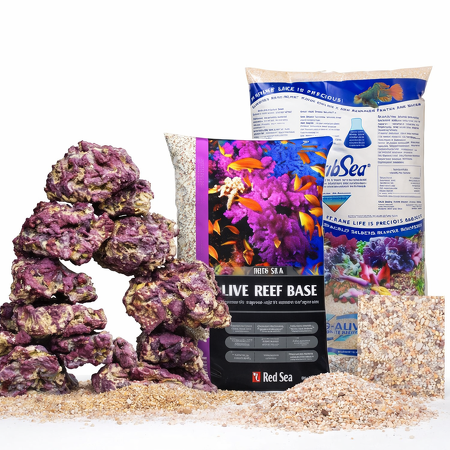
- Benefit more from additional bacterial starters or additives such as live sand products
Summary
You can recognise a well-established marine aquarium by:
- Ammonia = 0
- Nitrite = 0
- Nitrate = present
- Stability over several days
- Cautious first life forms can be added
Take your time: a well-run aquarium is the key to long-term success!

Do you want to...
Stock status of products
Product is in stock
You can see this on the product page, above the price of the product. Here you will always find the most current stock status of the product. If your order consists entirely of products that are available from stock, your order will be packed and shipped immediately.Pick up stock product
You must place the order online and choose pick up. Your order will then be prepared for you. As soon as it is ready to be picked up, you will receive a notification by e-mail and/or SMS.A pick-up order placed before 14:00 is usually ready to be picked up the same day.
Shipping costs to other EU countries
| Country | Parcel | Pallet small | Pallet big | Livestock | Free shipping | ||
|---|---|---|---|---|---|---|---|
| 0-10 kg | 10-20 kg | 20-30 kg | Max. 250 kg | Max. 500 kg | Max. 30 kg | ||
| Afghanistan | € 129.95 | € 229.95 | € 329.95 | On request | On request | Not possible | € 2000.00 |
| Albania | € 49.95 | € 79.95 | € 119.95 | On request | On request | Not possible | € 1000.00 |
| Algeria | € 109.00 | € 139.00 | € 219.00 | On request | On request | Not possible | € 1500.00 |
| Andorra | € 49.00 | € 99.00 | € 149.00 | On request | On request | Not possible | € 2000.00 |
| Angola | € 109.00 | € 149.00 | € 199.00 | On request | On request | Not possible | € 2000.00 |
| Anguilla | € 139.00 | € 139.00 | € 139.00 | On request | On request | Not possible | € 2000.00 |
| Argentina | € 69.00 | € 149.00 | € 199.00 | On request | On request | Not possible | € 10000.00 |
| Armenia | € 69.00 | € 149.00 | € 249.00 | On request | On request | Not possible | € 10000.00 |
| Aruba | € 59.99 | € 149.00 | € 249.00 | On request | On request | Not possible | € 10000.00 |
| Australia | € 129.95 | € 179.95 | € 269.95 | € 499.00 | € 999.00 | Not possible | € 10000.00 |
| Austria | € 9.95 | € 12.95 | € 18.95 | On request | On request | € 37.49 | € 500.00 |
| Azerbaijan | € 129.00 | € 229.00 | € 329.00 | On request | On request | Not possible | € 10000.00 |
| Bahrain | € 79.00 | € 109.00 | € 169.00 | On request | On request | Not possible | € 10000.00 |
| Bangladesh | € 76.00 | € 149.00 | € 249.00 | On request | On request | Not possible | € 10000.00 |
| Belarus | € 195.00 | € 295.00 | € 395.00 | On request | On request | Not possible | € 10000.00 |
| Belgie | € 7.95 | € 7.95 | € 7.95 | € 50.00 | € 75.00 | € 10.00 | € 50.00 |
| Bosnia and Herzegovina | € 59.00 | € 59.00 | € 109.00 | On request | On request | Not possible | € 5000.00 |
| Brazil | € 149.95 | € 189.95 | € 289.95 | On request | On request | Not possible | € 10000.00 |
| Bulgaria | € 18.95 | € 19.95 | € 31.95 | On request | On request | € 59.99 | € 1000.00 |
| Canada | € 89.95 | € 109.95 | € 169.95 | On request | On request | Not possible | € 10000.00 |
| Chile | € 231.99 | € 331.99 | € 431.99 | On request | On request | Not possible | € 10000.00 |
| China | € 49.95 | € 119.95 | € 169.95 | On request | On request | Not possible | € 5000.00 |
| Costa Rica | € 69.95 | € 169.95 | € 269.95 | On request | On request | Not possible | € 10000.00 |
| Croatia | € 14.95 | € 17.95 | € 24.95 | On request | On request | € 59.00 | € 500.00 |
| Cyprus | € 69.00 | € 99.00 | € 179.00 | On request | On request | € 59.99 | € 5000.00 |
| Czech Republic | € 9.95 | € 10.95 | € 14.95 | On request | On request | € 59.00 | € 750.00 |
| Denmark | € 14.95 | € 15.95 | € 23.95 | On request | On request | € 59.00 | € 750.00 |
| Egypt | € 99.00 | € 189.00 | € 269.00 | On request | On request | Not possible | € 10000.00 |
| England | € 25.00 | € 35.00 | € 60.00 | On request | On request | Not possible | € 1000.00 |
| Estonia | € 14.95 | € 17.95 | € 24.95 | On request | On request | € 59.99 | € 750.00 |
| Fiji | € 125.00 | € 225.00 | € 325.00 | On request | On request | Not possible | € 10000.00 |
| Finland | € 24.95 | € 25.95 | € 39.95 | On request | On request | € 59.99 | € 1000.00 |
| France | € 9.95 | € 12.95 | € 17.95 | On request | On request | € 34.99 | € 500.00 |
| Germany | € 8.95 | € 9.95 | € 13.95 | On request | On request | € 32.99 | € 250.00 |
| Gibraltar | € 49.95 | € 69.95 | € 109.95 | On request | On request | Not possible | € 10000.00 |
| Greece | € 19.95 | € 22.95 | € 34.95 | On request | On request | € 59.99 | € 750.00 |
| Hong Kong | € 79.95 | € 99.95 | € 159.95 | On request | € 89.00 | Not possible | € 10000.00 |
| Hungary | € 9.95 | € 11.95 | € 17.95 | On request | On request | € 59.99 | € 500.00 |
| Iceland | € 69.95 | € 79.95 | € 119.95 | On request | On request | Not possible | € 10000.00 |
| India | € 79.95 | € 99.95 | € 149.95 | On request | On request | Not possible | € 10000.00 |
| Indonesia | € 79.95 | € 99.95 | € 159.95 | On request | On request | Not possible | € 10000.00 |
| Ireland | € 12.95 | € 13.95 | € 19.95 | On request | On request | € 59.00 | € 750.00 |
| Israel | € 89.95 | € 109.95 | € 169.95 | On request | On request | Not possible | € 10000.00 |
| Italy | € 12.95 | € 13.95 | € 19.99 | On request | On request | € 49.99 | € 750.00 |
| Japan | € 89.95 | € 119.95 | € 189.95 | On request | On request | Not possible | € 10000.00 |
| Jordan | € 59.00 | € 159.00 | € 259.00 | On request | On request | Not possible | € 10000.00 |
| Kosovo | € 149.00 | € 249.00 | € 349.00 | On request | On request | Not possible | € 10000.00 |
| Kuwait | € 79.95 | € 119.95 | € 169.95 | On request | On request | Not possible | € 10000.00 |
| Latvia | € 12.99 | € 15.99 | € 19.99 | On request | On request | € 59.00 | € 10000.00 |
| Lebanon | € 99.00 | € 199.00 | € 299.00 | On request | On request | Not possible | € 10000.00 |
| Liechtenstein | € 39.95 | € 39.95 | € 59.95 | On request | On request | Not possible | € 10000.00 |
| Lithuania | € 11.95 | € 14.95 | € 17.95 | On request | On request | € 59.99 | € 750.00 |
| Luxembourg | € 8.95 | € 9.95 | € 14.95 | On request | € 149.99 | € 49.00 | € 500.00 |
| Malaysia | € 79.95 | € 99.95 | € 159.95 | On request | On request | Not possible | € 10000.00 |
| Malta | € 49.99 | € 59.99 | € 89.95 | On request | On request | € 79.00 | € 1500.00 |
| Mauritania | € 99.00 | € 199.00 | € 299.00 | On request | On request | Not possible | € 10000.00 |
| Mauritius | € 79.00 | € 179.00 | € 279.00 | On request | On request | Not possible | € 10000.00 |
| Mexico | € 89.95 | € 129.95 | € 189.95 | On request | On request | Not possible | € 10000.00 |
| Moldova | € 79.00 | € 179.00 | € 279.00 | On request | On request | Not possible | € 10000.00 |
| Monaco | € 19.95 | € 24.95 | € 49.95 | On request | On request | € null | € 10000.00 |
| Montenegro | € 79.00 | € 179.00 | € 279.00 | On request | On request | Not possible | € 10000.00 |
| Morocco | € 199.00 | € 199.00 | € 199.00 | On request | On request | Not possible | € 10000.00 |
| Nederland | € 6.99 | € 6.99 | € 6.99 | € 40.00 | € 60.00 | € 7.99 | € 50.00 |
| New Zealand | € 139.95 | € 179.95 | € 259.95 | On request | On request | Not possible | € 10000.00 |
| North Korea | € 189.00 | € 289.00 | € 389.00 | On request | On request | Not possible | € 10000.00 |
| North Macedonia | € 49.00 | € 149.00 | € 249.00 | On request | On request | Not possible | € 10000.00 |
| Norway | € 39.95 | € 42.95 | € 49.95 | On request | € 19.00 | Not possible | € 10000.00 |
| Oman | € 69.00 | € 119.00 | € 179.00 | On request | On request | Not possible | € 10000.00 |
| Philippines | € 69.00 | € 169.00 | € 269.00 | On request | On request | Not possible | € 10000.00 |
| Poland | € 8.99 | € 8.99 | € 14.99 | On request | On request | € 59.00 | € 500.00 |
| Portugal | € 11.95 | € 14.95 | € 19.95 | € 149.99 | € 299.99 | € 54.99 | € 750.00 |
| Qatar | € 89.95 | € 119.95 | € 179.95 | On request | On request | Not possible | € 10000.00 |
| Romania | € 18.95 | € 24.95 | € 34.95 | On request | On request | € 59.00 | € 850.00 |
| Russia | € 149.99 | € 249.0§ | € 349.00 | On request | On request | Not possible | € 10000.00 |
| San Marino | € 79.95 | € 79.95 | € 139.95 | On request | On request | Not possible | € 10000.00 |
| Saudi Arabia | € 89.95 | € 139.95 | € 209.95 | On request | On request | Not possible | € 10000.00 |
| Serbia | € 49.95 | € 59.95 | € 79.95 | On request | On request | Not possible | € 10000.00 |
| Seychelles | € 169.95 | € 229.95 | € 329.95 | € null | On request | Not possible | € 10000.00 |
| Singapore | € 79.00 | € 79.00 | € 129.00 | On request | € 14.99 | Not possible | € 10000.00 |
| Slovakia | € 9.95 | € 12.95 | € 17.95 | On request | On request | € 59.99 | € 750.00 |
| Slovenia | € 24.95 | € 24.95 | € 29.95 | On request | On request | € 59.99 | € 750.00 |
| South Africa | € 109.95 | € 149.95 | € 219.95 | On request | On request | Not possible | € 10000.00 |
| South Korea | € 79.95 | € 99.95 | € 159.95 | On request | On request | Not possible | € 10000.00 |
| Spain | € 14.95 | € 17.95 | € 19.95 | On request | On request | € 59.00 | € 750.00 |
| Sri Lanka | € 79.00 | € 179.00 | € 279.00 | € null | On request | Not possible | € 10000.00 |
| Sweden | € 18.99 | € 19.99 | € 29.99 | On request | On request | € 59.99 | € 750.00 |
| Switzerland | € 34.95 | € 39.95 | € 69.95 | On request | On request | Not possible | € 1500.00 |
| Thailand | € 79.95 | € 104.95 | € 159.95 | On request | On request | Not possible | € 10000.00 |
| Turkey | € 79.95 | € 89.95 | € 149.95 | On request | On request | Not possible | € 10000.00 |
| Uganda | € 169.95 | € 229.95 | € 329.95 | On request | On request | Not possible | € 10000.00 |
| Ukraine | € 49.95 | € 59.95 | € 89.95 | On request | € 9.99 | Not possible | € 10000.00 |
| United Arab Emirates | € 79.00 | € 109.00 | € 179.00 | On request | On request | Not possible | € 10000.00 |
| United Kingdom | € 25.00 | € 35.00 | € 60.00 | On request | On request | Not possible | € 1000.00 |
| United States | € 79.00 | € 129.00 | € 199.00 | On request | On request | Not possible | € 5000.00 |
| Uzbekistan | € 109.00 | € 139.00 | € 219.00 | On request | On request | Not possible | € 20000.00 |
| Vietnam | € 79.00 | € 109.00 | € 179.99 | On request | On request | Not possible | € 20000.00 |
Shipment
-
Above € 50,- free delivery in NL & BEFree delivery in NL & BEIn stock Ordered before 16:00, shipped today *No stock Notify me when this product is in stockThere is a minimum of 24 hours between the time of ordering and shipping due to the extra care for correct packaging and shipping. For corals additional packaging and shipping charges apply.